Fireside Chimney Supply’s Guide to Fireplace Maintenance: Top 10 Tips to Help You Avoid Expensive Repairs
14 May 2026

Your fireplace is built to take a beating, hot fire after hot fire, year after year, but even the sturdiest hearth isn’t indestructible. Similar to other vital appliances or home systems, regular fireplace maintenance is essential to maximizing efficiency, ensuring safe operation, and avoiding unexpected repair costs.
We want to keep your home safe and keep as much money in your pocket as possible, so we’ve pulled together the ultimate fireplace care and maintenance checklist. Check out our 10 tips to help prevent expensive fireplace repairs and mid-winter downtime.
1. Know Your Chimney Damper
Your chimney damper acts like a gatekeeper; it controls the draft in and out of your home when using your fireplace.
When a fire is burning, make sure the fireplace damper is fully open; a closed damper will prevent harmful smoke and carbon monoxide from rising up the chimney flue where it belongs. If you need help figuring out whether your damper is open or closed, please see our guide here: https://firesidechimneysupply.com/blogs/news/how-to-tell-if-your-chimney-damper-is-open-or-closed
When the fireplace is not in use: Keep the damper securely closed. This will prevent the inside air from escaping and prevent harsh outside drafts from entering, improving your home's energy efficiency.
2. Clear Debris and Check For Animal Nests
While you are checking or opening your chimney damper, it's a good time to inspect for any foreign debris or animal nests. Over time, leaves, wigs, and other debris can blow into the chimney. Additionally, small animals and even birds often find chimneys to be warm, safe places to build nests. If you spot a blockage, hire a professional to clear it immediately to prevent fire damage or a dangerous chimney fire.
3. Burn The Right Fuel
Not all fuel is created equal or safe. For proper fireplace efficiency and longevity, burn only seasoned firewood such as oak, ash, maple, or hickory. You can also use high-quality compressed fiber logs. Burning trash, treated wood, or household debris can release highly toxic fumes that can be harmful to you and damage your fireplace or chimney flue.
4. Clean Your Firebox Regularly
Routinely clearing ashes from your firebox is one of the easiest and most important habits you can do to maintain your fireplace. You can leave a thin layer of ash at the bottom of the fireplace. This will help add additional insulation to your firebrick and help build a faster fire. Ashes can stay hot for days, so be sure to use a metal ash bucket for proper ash disposal and store the container at least 10ft from your house. Thousands of fires happen every year because people don’t properly dispose of their ashes. Plastic buckets or paper grocery bags can easily catch fire. Don't be a statistic.
5. Schedule an Annual Professional Inspection
Even if you normally handle your chimney maintenance with diligent DIY effort, nothing replaces a certified chimney sweep. A professional inspection and cleaning of your chimney at least once a year ensures that hidden dangers, like hidden masonry cracks or internal flue damage, are caught early before they become hazardous or expensive to repair.
6. Watch Out For and Remove Creosote Buildup
Creosote is a highly flammable, dark, tar-like byproduct of burning wood. It can accumulate on the inner walls of your chimney flue and become a fire hazard. Regularly brushing your chimney with the proper size and material chimney brush, a poly brush for stainless steel chimney liners, and a wire brush for clay or masonry flue tiles is critical to prevent creosote buildup.
7. Inspect Your Chimney Cap
A chimney cap is your first line of defence against weather, animals, and debris from entering your chimney flue. You should regularly inspect your chimney cap to ensure it's still securely attached and free of damage. Lose or damaged caps can allow water to enter your chimney flue. If you need a new chimney cap, we offer a wide range of styles and sizes, as well as custom options to match any chimney size or shape. Check them out here.
8. Check For Masonry Damage
Water is a fireplace and chimney flue's worst enemy. Look for flaking (spalling) bricks, crumbling mortar, or white staining, also known as efflorescence, on the exterior of your chimney. Additionally, a visual inspection of the fireplace with a look up the flue is a good idea, looking for similar signs of wear and tear. Addressing any small issues early prevents moisture from seeping in and destroying the chimney or flue.
9. Install and Test Smoke and Carbon Monoxide Detectors
Fireplace maintenance goes hand-in-hand with home safety. Wood-burning and gas fireplaces can produce carbon monoxide if not vented properly. Ensure you have working detectors not only installed around the inside of your home, but specifically in the same room as your fireplace. Remember the saying a “monthly test is best,” when it comes to testing the batteries of your smoke and carbon monoxide detectors.
10. Stay Vigilant and Act Fast
If there is a golden rule to fireplace maintenance, it is to be vigilant. If you smell strange odors, notice excessive smoke entering the room, poor drafting, or signs of water infiltration, do not wait. Schedule an inspection with a professional immediately and never let minor issues turn into serious hazards or expensive repairs.
Maintaining a safe, warm, and efficient fireplace doesn’t have to take a lot of time or be a burden when you have the right tools and expertise on your side. For all the replacement parts, tools, and supplies you need to keep your fireplace in top shape, you can always count on Fireside Chimney Supply.
Featured Products
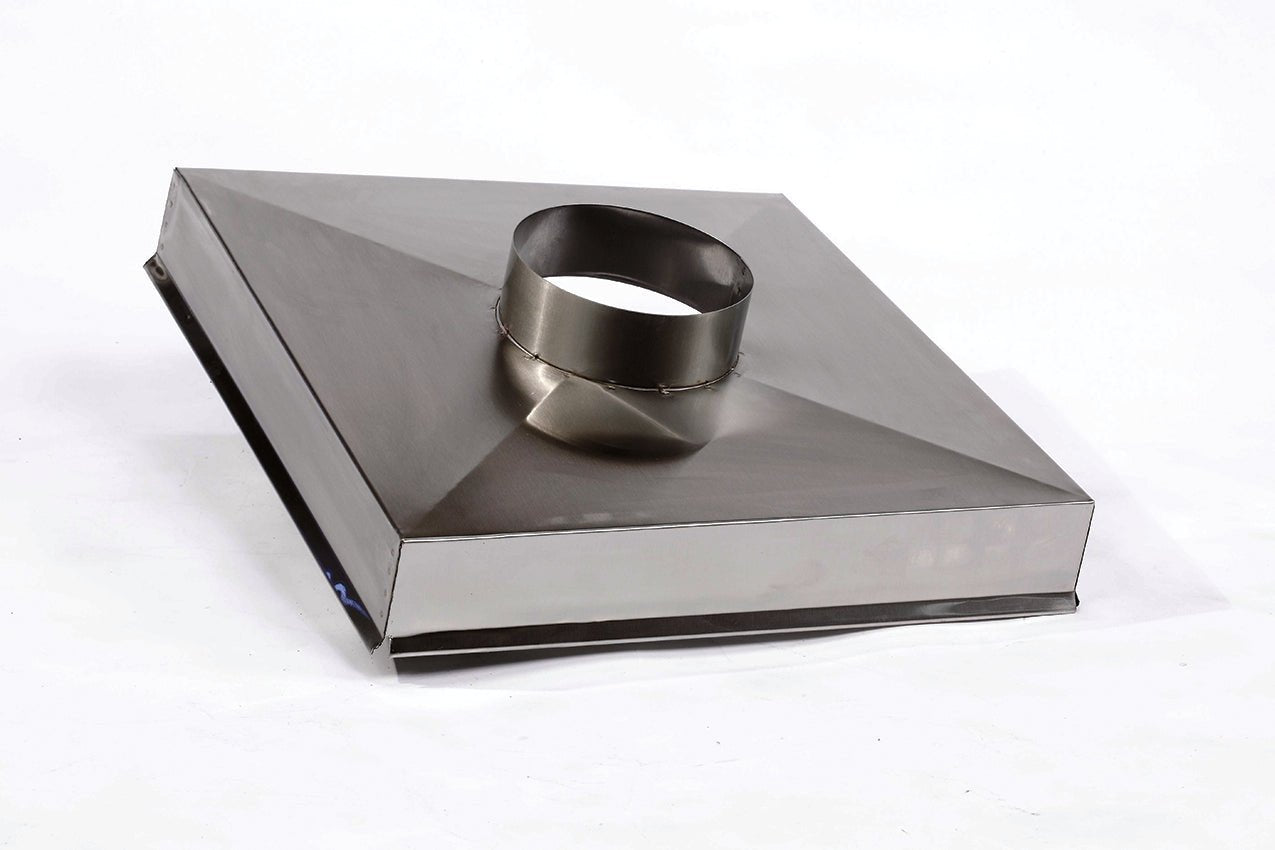

Stainless Steel Chimney Chase Cover | Custom Options
A chimney chase cover is a critical barrier that helps protect the interior of your chimney chase from rain, snow, debris, and wildlife. Many standard chase covers are made from galvanized steel, which can eventually rust and deteriorate after prolonged exposure to moisture. A...
Standard Sizes Stainless Steel Chimney Chase Cover
A chimney chase cover is the most critical barrier protecting your chimney's interior from the elements. Standard chimney chase covers are made from cheap galvanized metal that quickly rusts, leading to leaks, stains on your siding or roof, and expensive repairs to the chimney...
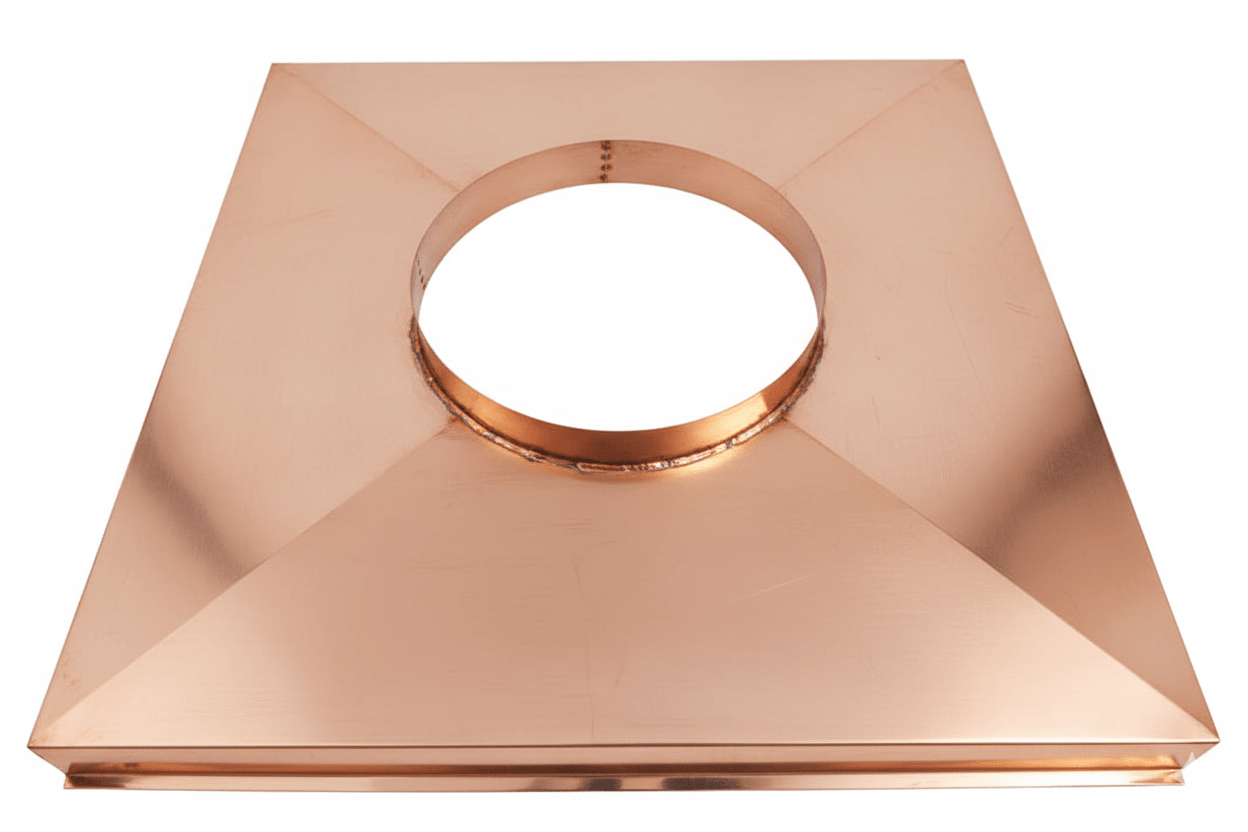

Copper Chase Cover Custom Options
A chimney chase cover is the most critical barrier protecting your chimney's interior from the elements. Most chimney chase covers are made from cheap galvanized metal that quickly rusts, leading to leaks, stains on your siding or roof, leading to expensive repairs to the...
Tags: