How Much Does It Cost to Have a Chimney Lined? (2026 Complete Guide)

How Much Does It Cost to Have a Chimney Lined? (2026 Complete Guide)
A breakdown of $7,000 professional quotes vs. $500 DIY chimney liner kits.
What is a Chimney Liner and Why Does It Matter?
If you've received a quote from a local chimney sweep that made your jaw drop, you aren't alone. Professional chimney relining quotes routinely land between $3,000 and $7,000. But before you write that check—or decide to ignore the problem entirely—you need to understand what you're actually paying for.
A chimney liner is the critical inner pathway that carries toxic flue gases and smoke from your heating appliance safely up and out of your home. Historically, chimneys were built with clay terracotta tiles. Over decades of thermal expansion and contraction, acidic condensation, clay often cracks, crumbles, and fails. Operating a solid fuel appliance through an unlined or damaged masonry chimney is a catastrophic hazard; according to the Chimney Safety Institute of America (CSIA), compromised liners are a leading cause of carbon monoxide intrusion and structure fires.
Today, the best choice for a masonry chimney repair and solid fuel appliance venting is the modern stainless steel chimney liner. Available either as a rigid pipe or a flexible chimney liner, these systems slide directly down your existing brick structure, sealing the system completely.
• Good (Legacy): Poured cast-in-place masonry (messy, extremely expensive).
• Better: 304L basic stainless steel (fine for wood, but lacks multi-fuel versatility).
• Best: A complete UL-listed chimney liner kit utilizing FireFlex stainless steel in 316L or 316Ti alloys, guaranteeing a lifetime of draft efficiency across all fuel types.
The Core Question: How Much Does It Cost?
The cost difference in chimney relining boils down to one factor: labor. If you hire a professional, you are paying for their expertise, insurance, drive time, and markup on materials. Often, a steep roof requires a boom lift rental, adding an additional $500 onto the invoice before the team even arrives.
On the other hand, purchasing a DIY chimney liner kit removes the labor markup. Let's look at the numbers.
| Installation Type | Average Material Cost | Average Labor/Fees | Total Project Cost |
|---|---|---|---|
| Professional Installation | $800 - $1,500 (Marked up) | $1,700 - $5,500 | $2,500 - $7,000+ |
| DIY Kit Installation | $400 - $1,200 (Direct to consumer) | $0 (Just your weekend) | $400 - $1,200 |
Material Costs: From Aluminum to Titanium
The core of your flue liner kit dictates the price. Do not cheap out on materials; installing the wrong alloy for your appliance is dangerous and against code.
1. Aluminum Liners ($200 - $350)
Aluminum is the cheapest option on the market. However, it is only approved for venting low-efficiency (83% or lower) natural gas appliances. If you burn wood, pellet, or oil, aluminum will melt or corrode instantly. Even in insulated systems, aluminum is strictly used as an aluminum outer liner (for insulated kits) to protect the inner stainless steel.
2. 304L Stainless Steel Liner ($350 - $500)
The 304L stainless steel liner is the budget-friendly entry point for wood burners. It handles the heat of a wood stove perfectly, but it lacks the chemical resistance necessary to handle the highly corrosive condensation produced by coal, oil, or gas.
3. 316L Stainless Steel Liner ($450 - $700)
This is the industry standard and our highest recommendation for 90% of residential homes. A 316L liner contains molybdenum, making it fiercely resistant to corrosion across wood, pellet, gas, and oil applications. The FireFlex 316L Basic Flexible Chimney Liner Kit provides everything required for a standard top-to-bottom relining job.
4. 316Ti Stainless Steel (Titanium Infused) ($550 - $850)
If you want maximum durability, you step up to titanium. The 316Ti stainless steel liner (Titanium infused) handles extreme temperature fluctuations and severe corrosive environments flawlessly. If you want maximum draft efficiency, look at a FireFlex 316Ti Smooth Wall Chimney Liner, which features a perfectly smooth interior that increases draft by up to 20% and makes chimney sweeping effortless.
Cost Variations by Appliance Type
What you are connecting the liner to dictates the kit you need to buy.
- Wood Stove Chimney Liner: Requires a heavy-duty 316L or 316Ti liner capable of withstanding a 2,100°F chimney fire. You'll typically need 6-inch or 8-inch diameters.
- Pellet Stove Flue Liner: Pellet stoves use a much smaller exhaust (usually 3 or 4 inches) but produce highly corrosive fly ash. A 316L liner is mandatory here.
- Gas Appliance & Oil Furnace Chimney Liner: Gas and oil exhaust is relatively cool but incredibly acidic. Dropping a continuous strip stainless liner prevents acidic condensation from eating through your home's brickwork.
Types of Kits, Components & Insulation
Buying a bare pipe isn't enough. A true fireplace liner kit or chimney relining kit includes the vital components that secure the system.
Basic Kits vs. Tee Kits
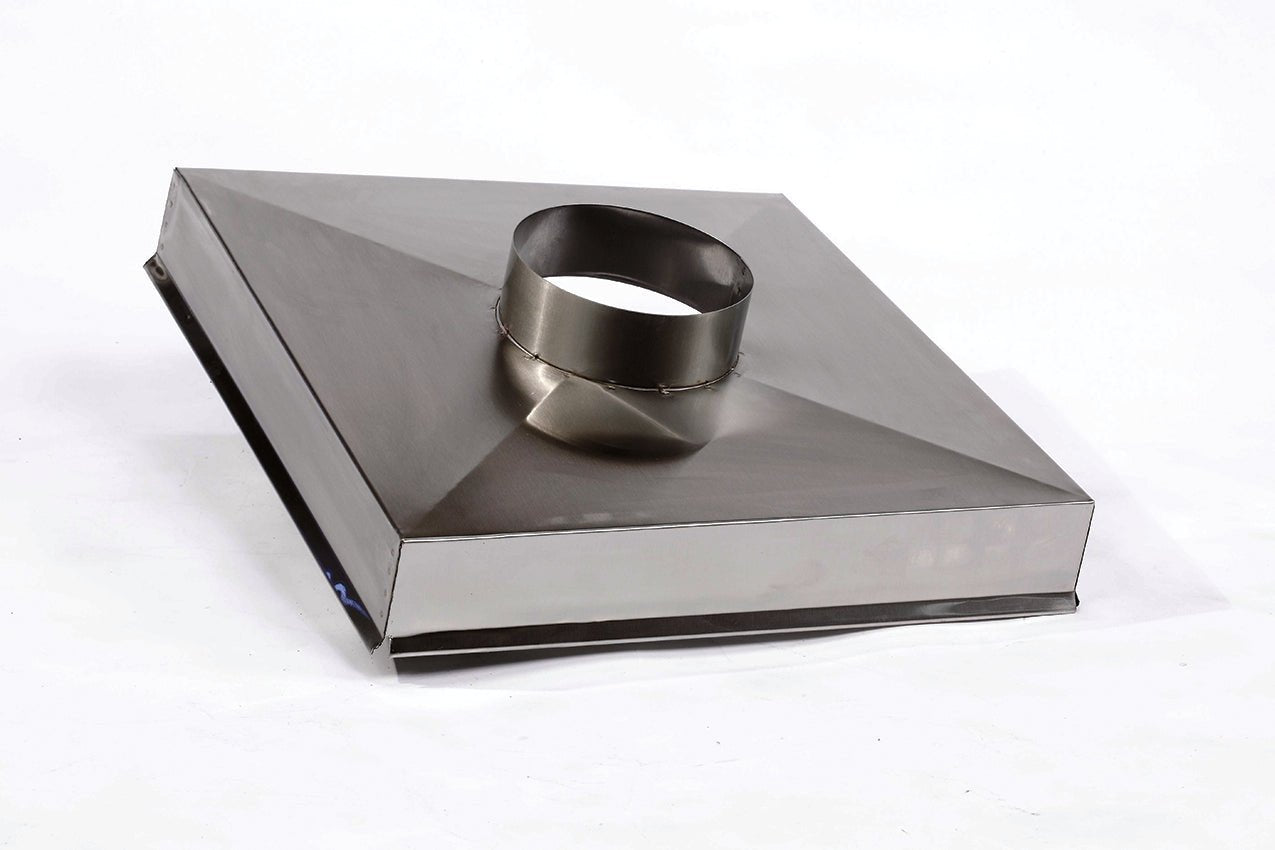
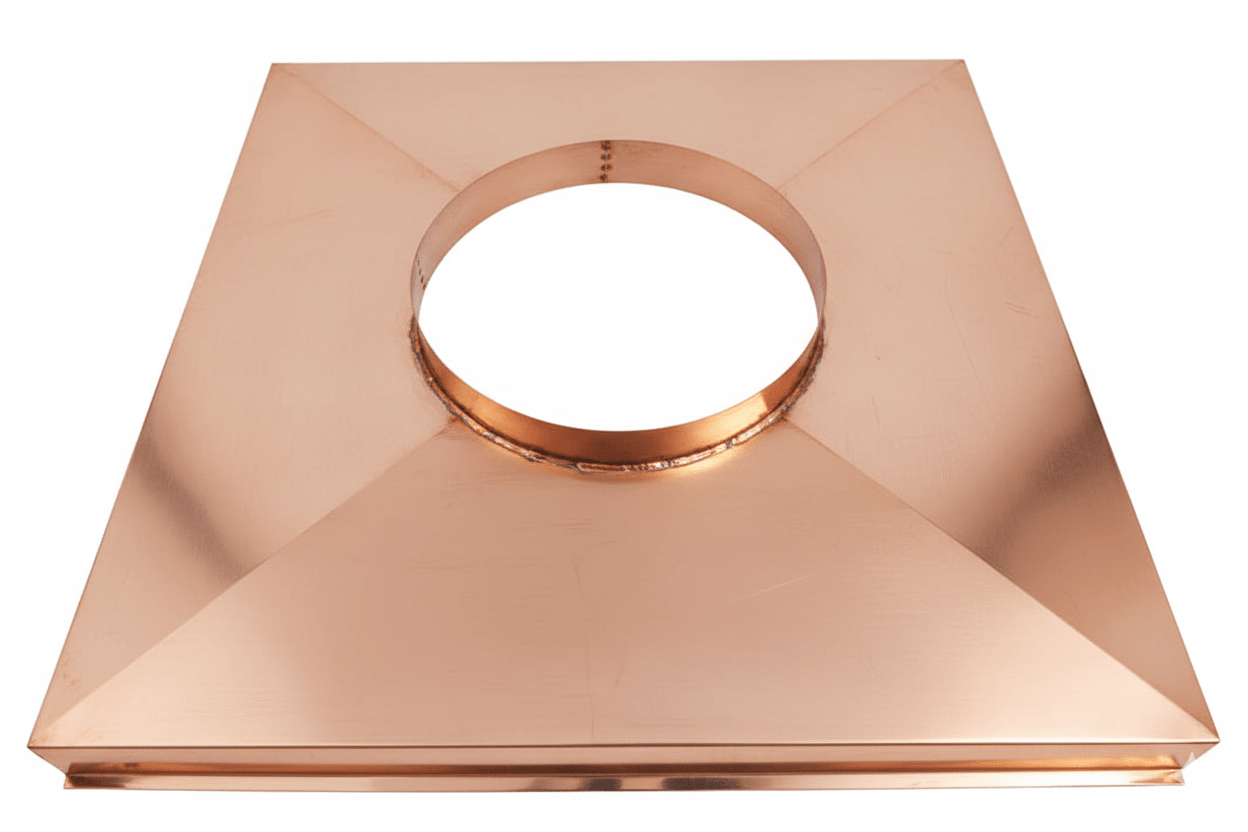
A chimney liner basic kit includes the flex pipe, a chimney top plate to seal the crown, a chimney rain cap to keep out moisture, and an appliance adapter to connect straight down into a fireplace insert.
Conversely, if your stove sits out in the room and vents horizontally through a masonry wall into the chimney, you must buy a chimney liner tee kit. This includes a heavy-duty chimney liner tee connector equipped with a removable snout for cleanouts. (See the FireFlex 316L Flexible Chimney Liner Tee Kit for the perfect wall-pass-through setup).
Do You Need Insulation?
In many regions, building codes require insulated liners to maintain proper clearance to combustibles. Insulation also keeps flue gases hot, dramatically reducing creosote buildup. You have three choices:
- Pre-insulated chimney liner: The easiest install. The pipe comes wrapped from the factory. Ideal for cold climates and exterior chimneys. (View our Pre-Insulated Chimney Liner Kit)
- Chimney insulation wrap: A ceramic blanket you wrap around an uninsulated chimney liner yourself before dropping it down the flue.
- Pour-down chimney insulation: A vermiculite-cement mixture poured into the gap between the liner and the masonry. Excellent for tight flues where a wrap won't fit. Explore all chimney liner insulation kits here.
Pro Tip: If your chimney is perfectly straight with zero bends or offsets, a 316L Rigid Chimney Liner Kit is a fantastic choice, offering the durability of rigid pipe without the flex corrugations.
Watch: Real Installation Process
Seeing the process demystifies it. Reline projects aren't magic; they are practical mechanical tasks. The video below demonstrates how a stainless steel liner is dropped, secured, and attached to a top-sealing damper and appliance.
Frequently Asked Questions
Is a stainless steel chimney liner worth it?
Absolutely. Beyond passing local building codes, a stainless steel chimney liner physically protects your home from the 2,100°F temperatures of a chimney fire and prevents acidic moisture from destroying your home's structural masonry. Compared to the $15,000 cost of rebuilding a ruined masonry chimney, a $500 stainless kit and components is the best insurance policy you can buy for your home.
What's the difference between 304L and 316Ti stainless steel?
304L is a standard alloy suitable only for wood-burning applications. 316Ti, however, is infused with titanium and molybdenum. This addition makes the 316Ti stainless steel liner highly resistant to the severe corrosive acids produced by burning coal, oil, gas, and pellets. If you plan to switch fuels or just want maximum longevity, 316Ti is the superior upgrade.
Can I install a DIY chimney liner kit myself?
Yes. If you are comfortable working on your roof and can operate basic hand tools like a drill, tin snips, and a caulk gun, you can install a DIY chimney liner kit. By purchasing a complete kit, all the specialized connectors (like the top plate and appliance adapter) are perfectly matched, turning the job into a straightforward "drop and connect" project. Thousands of homeowners successfully complete this in a single Saturday.
How do I know if my chimney needs to be relined?
You need a new liner if you have an unlined brick chimney, if a chimney sweep has found cracked or missing clay terracotta tiles during an inspection, if you experience poor draft that causes smoke to back up into the room, or if you are installing a high-efficiency wood stove or insert into an older, oversized masonry flue.
Does a chimney liner require insulation?
In many cases, yes. Insulation serves two purposes: safety and performance. Code requires insulation if you do not have proper clearance between your exterior masonry and combustible wood framing. Performance-wise, insulation keeps the exhaust gases hot all the way to the top. Hot gases rise faster (creating a better draft) and prevent condensation, drastically reducing dangerous creosote buildup.
How much does a chimney liner cost for a wood stove?
A standard 6-inch wood stove chimney liner kit will run between $450 and $700 if you install it yourself. This price includes the flexible stainless steel pipe, the top plate, the rain cap, and the stove adapter. If your setup requires passing through a wall, adding a tee connector will push the price slightly higher. Pro installation will push the total cost above $2,500.
Ready to Reline and Save Thousands?
Stop paying massive labor markups. Get premium, UL-listed Liner Kits delivered directly to your door.
Shop All Chimney Liner Kits