The 3 Main Chimney Cleaning Tools
29 Mar 2021

The 3 Essential Chimney Cleaning Tools Every Homeowner Needs
Updated: 5.20.25 It’s no surprise that chimneys get dirty, but what you’re seeing inside your flue isn’t just ordinary dirt—it’s creosote.
When you burn wood in your fireplace, smoke, water vapor, unburned wood particles, and tar travel up your chimney. These byproducts cool near the top, and condense into a heavy, sticky, black substance known as creosote.
If you own a wood-burning fireplace or wood stove, regular chimney maintenance isn't just a recommendation; it is a vital safety requirement to protect your home and your family. If you are wondering what tools you need to tackle the job? Here are the three main chimney cleaning tools you need to keep your fireplace safe and efficient.
Why is Cleaning Your Chimney So Important?
When a chimney goes uncleaned, creosote relentlessly builds up inside the flue. Creosote is a highly combustible, thick glaze that can easily ignite, leading to a dangerous and uncontrollable chimney fire.
Additionally, a chimney that's not maintained can build up excess ash and soot, which can create drafting issues and reduce your appliance's efficiency. Blockages can also push fumes and particulate matter back into your living space, potentially causing severe respiratory problems. To prevent this, the CSIA (Chimney Safety Institute of America) recommends inspecting and cleaning your chimney at least once a year—or more frequently if you regularly use your fireplace or wood stove.
The 3 Main Chimney Sweeping Tools
Whenever creosote or heavy soot is present, it’s time to get to work. Here is the essential DIY chimney cleaning toolkit:
1. A Wire or Poly Chimney Brush
The foundation of any chimney sweep’s arsenal is the trusty chimney brush. Designed to attack hard-to-reach nooks and crannies, heavy-duty wire bristles effortlessly scrape away baked-on creosote on masonry chimneys and a poly brush for rigid or flexible metal chimney liners.
- Best For: Wire - Masonry chimneys with traditional clay flues. Poly - Metal chimneys and chimney liners.
- Pro Tip: Modern chimney brushes come in round, square, rectangular, and U-shapes and sizes. Make sure to measure your chimney flue accurately so you purchase the exact shape and size needed for a tight, effective brushing.
2. Flexible Chimney Cleaning Rods
Unless you have impossibly long arms, you can't clean a towering chimney with just a brush. That is where flexible chimney cleaning rods come in.
- Best For: Extending your reach and navigating flues with slight turns or offsets.
- Pro Tip: These rods typically come in sections that are several feet long. They thread directly into your chimney brush. You can attach multiple rods together, swapping them out or adding length as you push the brush further up (or down) the chimney stack.
3. Powder-Based Creosote Remover
Sometimes, elbow grease isn't quite enough—especially for heavy, glazed Stage 3 creosote. A chemical creosote remover is a powerful additive that works to dry out and break down sticky tar, turning it into a flaky powder that is much easier to brush away.
- Best For: Airtight fireplaces, modern zero-clearance fireplaces with metal flues, and breaking down stubborn creosote glaze.
- Pro Tip: Using a powder-based formula regularly during the burning season will improve the overall performance of your fireplace by enhancing airflow and preventing heavy accumulation before it starts.
Don't Forget Your Essential Safety Gear
While the three tools above will clean the flue, you also need to protect yourself and your living room from hazardous soot. Before starting, make sure you have:
- A Canvas Drop Cloth: Seal off the fireplace opening and protect your floors/furniture from falling ash.
- A Respirator Mask (N95 or better): Creosote dust is toxic to inhale. Always wear a high-quality mask.
- Safety Goggles and Gloves: Protect your eyes from falling debris and your hands from sharp masonry and wire bristles.
Frequently Asked Questions (FAQ)
Can I clean my own chimney? Yes, DIY chimney cleaning is entirely possible if you have the right chimney sweep tools (brushes, rods, and safety gear) and feel comfortable accessing your roof or working from the firebox. However, if you suspect heavy creosote buildup or structural damage, it is always best to hire a certified chimney sweep.
How often should I use a creosote sweeping log or powder? Chemical creosote removers are great preventative maintenance tools. Depending on your usage, applying a powder-based remover every few weeks during peak burning season can significantly reduce heavy tar buildup.
Does a metal chimney flue require a different brush? Yes! If you have a stainless steel chimney liner, you should use a polypropylene (plastic) chimney brush rather than a wire one. Wire brushes can scratch and damage stainless steel liners, leading to rust and corrosion.
*** Need to upgrade your chimney cleaning toolkit? Browse our full selection of professional-grade chimney brushes, fiberglass rods, and creosote removers at Fireside Chimney Supply today to ensure your hearth is safe for the season!
Featured Products
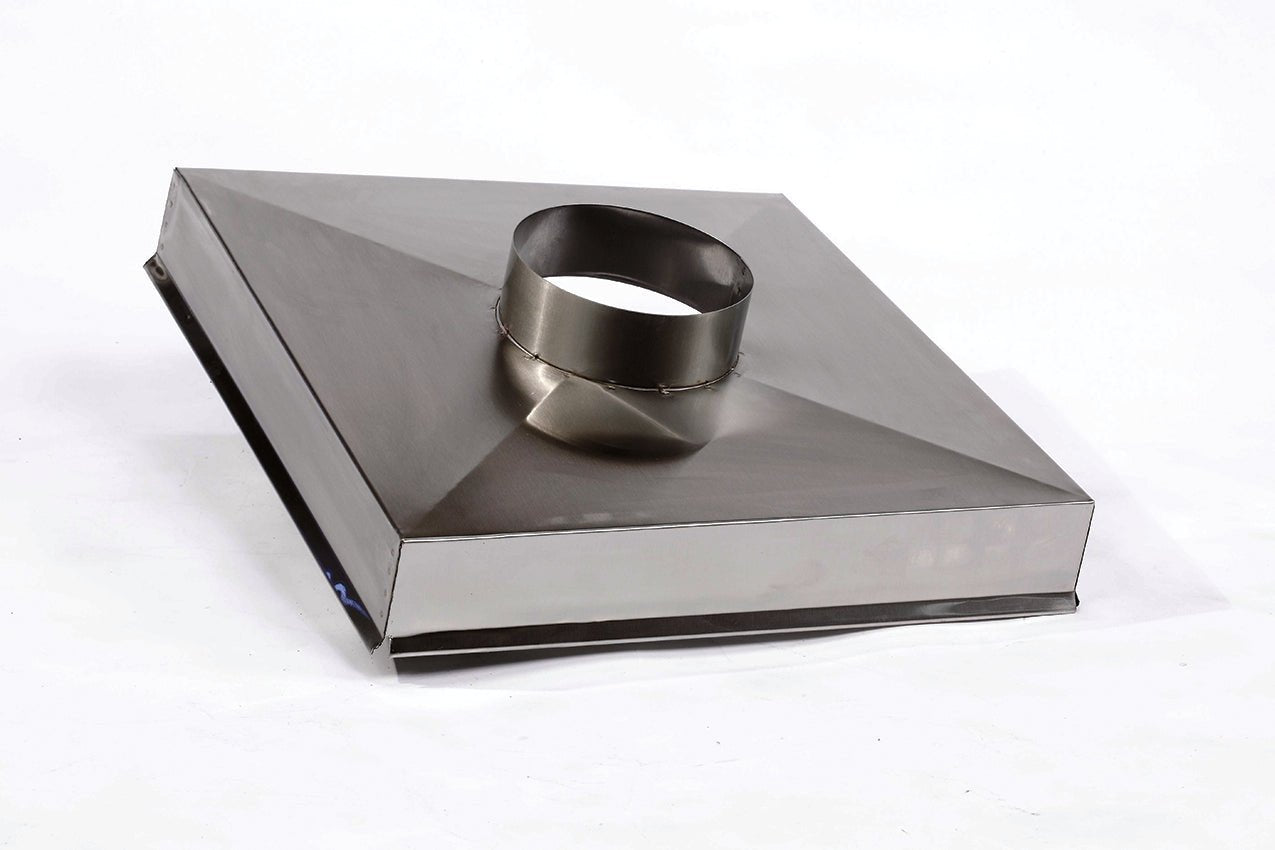

Stainless Steel Chimney Chase Cover | Custom Options
A chimney chase cover is a critical barrier that helps protect the interior of your chimney chase from rain, snow, debris, and wildlife. Many standard chase covers are made from galvanized steel, which can eventually rust and deteriorate after prolonged exposure to moisture. A...
Standard Sizes Stainless Steel Chimney Chase Cover
A chimney chase cover is the most critical barrier protecting your chimney's interior from the elements. Standard chimney chase covers are made from cheap galvanized metal that quickly rusts, leading to leaks, stains on your siding or roof, and expensive repairs to the chimney...
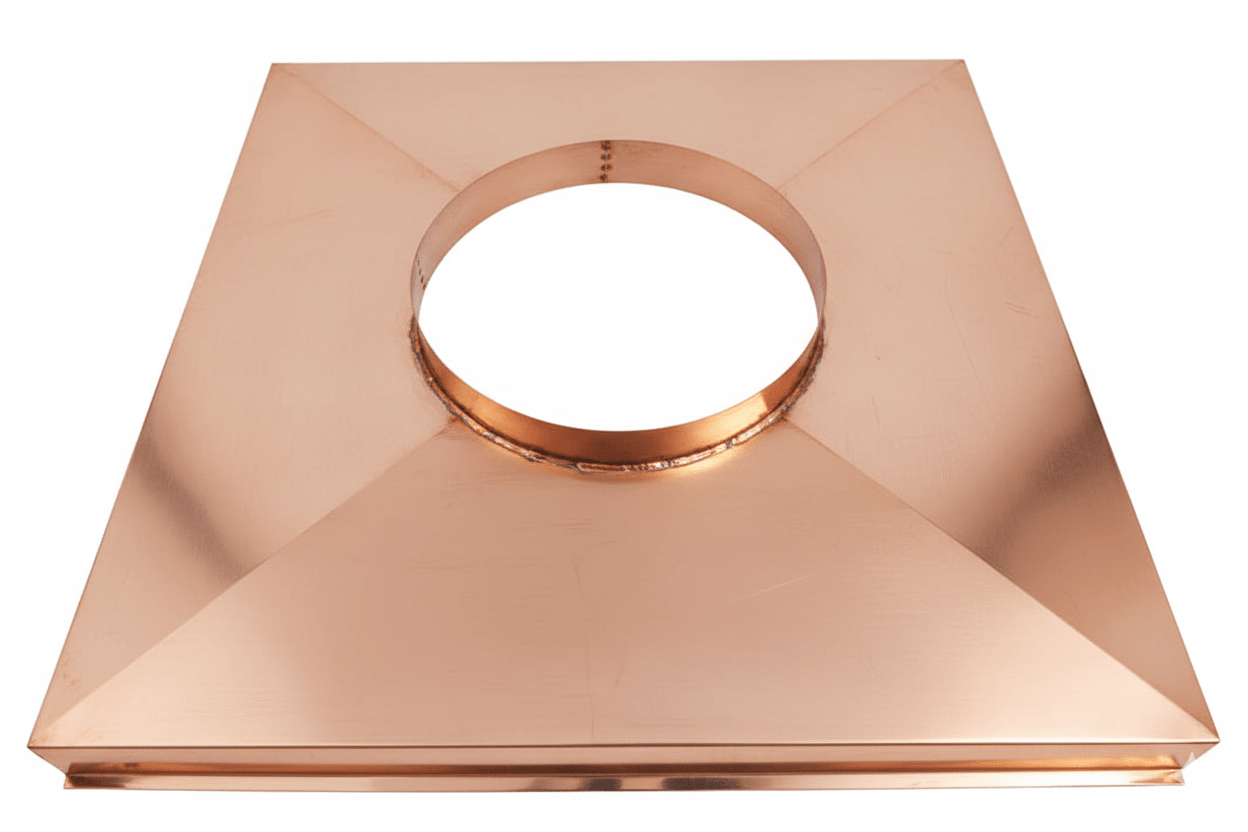

Copper Chase Cover Custom Options
A chimney chase cover is the most critical barrier protecting your chimney's interior from the elements. Most chimney chase covers are made from cheap galvanized metal that quickly rusts, leading to leaks, stains on your siding or roof, leading to expensive repairs to the...