Fireplace Advice
-
March 11, 2016
A Rumford Fireplace is a true statement in beauty and utility. Here are some of the great features and benefits you can expect from a Rumford.
Tall Openings For Better Drawing
A Rumford always features a tall opening that creates a beautiful and efficient fire that your friends and family will love. The unique shape ensures that you will get the most heat out of the wood you burn.
Narrow Opening Draws Away Smoke
One of the biggest complaints fireplace owners have is the amount of smoke that can permeate a room, especially if someone is new to the art of using a fireplace. A Rumford has smooth and tapering sides that effectively draw smoke out the chimney instead of allowing it to linger and hinder the air quality of your home.
Solid Construction And Masonry
A Rumford fireplace kit is made to last. While metal fireplaces can show a lot of wear over the years or even need to be replaced, a masonry fireplace will still be offering your family classic good style for years to come. Many beautiful older and historic
-
February 26, 2016
A chimney cap fits over the top of your chimney and prevents water from running down your chimney and into your stove, fireplace, and home. It is most important in climates that experience significant rainfall, but even those in drier areas should use one. Here are some of the advantages of a chimney cap.
Prevents Bird Nests And Animals In Your Home
No matter what size chimney you have, during the months that you are not burning a fire, birds may find it a very attractive place to build a nest and raise a family. Removing bird nests that are so high up on your home can cost you time and money and be very annoying when all you want to do is build a fire. Uncapped chimneys are more likely to allow wildlife into your home when no fire is present. Even if there are no visible animals, small animals can sometimes become trapped and die in a chimney.
Reduces
-
December 30, 2015
The fire is one of the most important sites of a home during the winter months. Many homeowners are realizing the benefits of utilizing a fire and some are even using their fireplace instead of their heating unit to heat the home during the colder winter months. But those with a fireplace aren’t always aware of what kind of wood they are burning. Sure, some use a gas fireplace, and the conveniences of those are obvious. Some who are living in more rural areas are even able to cut their own firewood, and they may be wondering what kind of wood is best for burning.
The wood of different trees has a different moisture content, and the moisture content of the wood determines how the wood will burn. One thing that is very important for those with a fireplace to know is, “what kind of wood is best to burn.” When the proper wood is used, it allows the other accessories used for the fireplace like the chimney liner to be the most effective possible.
5 Different Kinds of Wood
-
December 16, 2015
Many homeowners are wondering this winter how to heat a home during the wintertime using their fireplace. It is really an energy-saving option when it can be done efficiently. In a previous post it was discussed what kinds of wood are good for burning, and many areas of North America are plentiful with forested areas that are full of trees. However, it is important to be sure that it is legal to cut down trees in the area.
Whether bought at the local grocery store or chopped down in the local woods, firewood is able to heat a home when the proper methods are used. Even gas fireplaces are able to heat a home when a couple measures are taken to ensure that more heat is staying in the home than is escaping through the chimney.
Ensure the Fire Heats the Home
Install a Chimney Liner
The chimney liners of Fireside Chimney Supplies are able to prevent the creosote that builds up from causing a chimney fire. The best way to ensure that the fireplace is able to continue
-
December 02, 2015
We’re getting excited, because it’s now the time of year that fires aren’t just enjoyable – they are necessary! Many times they are an essential component of a home during the winter time. During a recent stay in North Carolina, my friend told me that he uses his fireplace to heat his home during the entire winter! We spent some time gathering firewood to be able to burn throughout the duration of the cold winter months. What a way to save energy and cost on heating bills, especially when you have the proper chimney liner and chimney caps in place to prevent heat from escaping through the top and walls of the chimney.
Along with being economical and a great place to sit during the winter, the fireside is also a great place to enjoy some seasonal drinks throughout the winter months. There’s hot chocolate! Even white chocolate peppermint mochas from the local coffee joint. Today we wanted to talk about some of the exciting holiday drinks to enjoy during winter time.
Winter
-
November 18, 2015
Via The Ledger Independent
Chimney pots date back to the 13th century, and are typically associated with England. However, there is research that shows they were used in the Roman Empire, India and Australia.
Chimney Pots
The purpose of a chimney pot was quite simple and ingenious: they were used to extend the chimney in order to improve the draft and keep odors and smoke from coming into the building.
Life Before A Chimney Pot
Think back to how homes and businesses were constructed years ago: the only source of heat was the fireplace. The bigger the structure, the more fireplaces you had. For example, with a structure like the Lee House in Maysville, which was an Inn during its heyday, a three story building would have fireplaces on each floor, with numerous flues in one chimney.
-
October 30, 2015
Who doesn’t love sitting by a warm fireplace all bundled up when it’s below freezing outside? If you’re going to be using your fireplace, chimney, and chimney cover for the first time in your home, you should take a look at these safety precautions before getting toasty by lighting the fire.
Safety Precautions for Your Fireplace and Chimney
Inspection
-
October 15, 2015
The Fall weather is fast approaching and the cozy spirit of Autumn is making its way into our homes. There’s nothing better than a change of scenery to invigorate the senses and liven things up a little. If you’re fortunate enough to have a chimney or fireplace in your home, you know how the sounds of a crackling fire can calm your nerves and give you peace of mind, and adding the power of aromatherapy to the fire will only increase the effectiveness. Let’s go over some amazing fragrance bomb recipes to really add a level of comfort to your home.
Fragrance Bomb Recipes
Fall Fruit
Start by drying out a few apples and oranges in your oven. Once dry, add them to a fire to create a savory yet sweet citrus aroma. The scent will fill your house and last for hours.
Simple Cinnamon
Okay, so this one isn’t really a recipe, but simply adding a few cinnamon sticks to your fire will create a very pleasing scent that will be more robust than the old classic cinnamon
-
September 22, 2015
We at Fireside Chimney Supplies are experts of all things chimneys. With the fall well under way and Winter approaching it is important to take the proper steps to keep your chimney and fireplace running smoothly. A chimney that is not maintained can cause unnecessary health risks and even fires. Neglected chimneys accumulate creosote, a combustible byproduct of charred wood, along their walls. If you add that to a high internal flue temperature you got yourself a recipe for a potential chimney fire.
While it still isn't too bad outside you want to take the proper steps to make sure your chimney and fireplace are ready to go for the winter. There would be no worse way to spend your winter finding out that you can't use your chimney because of an animal getting stuck in the chimney or high level of creosotes.
We got the lowdown and the information you need to make sure your fireplace is safe and running properly this winter!
- Don't use a regular vacuum for
-
July 24, 2015Having a chimney can be vital in many, many, instances. I understand where they came from and their reasoning we have out put this together so our clients can be informed of all the optimized ways to utilize.During the Roman era, some houses were warmed with interior pipes laid under floors and within walls, and bakeries had flues that piped smoke outside the building. But then after the fall of the Roman Empire, all those good ideas were somehow lost or pushed aside. In England, at least, for more than a thousand years thereafter, most people lived in simplistic structures warmed by a single open fire in the middle of the room. That's right — an open fire. Basically some logs (or other combustible organic material — people used whatever was most readily available) on the floor that people cooked over during the day and huddled
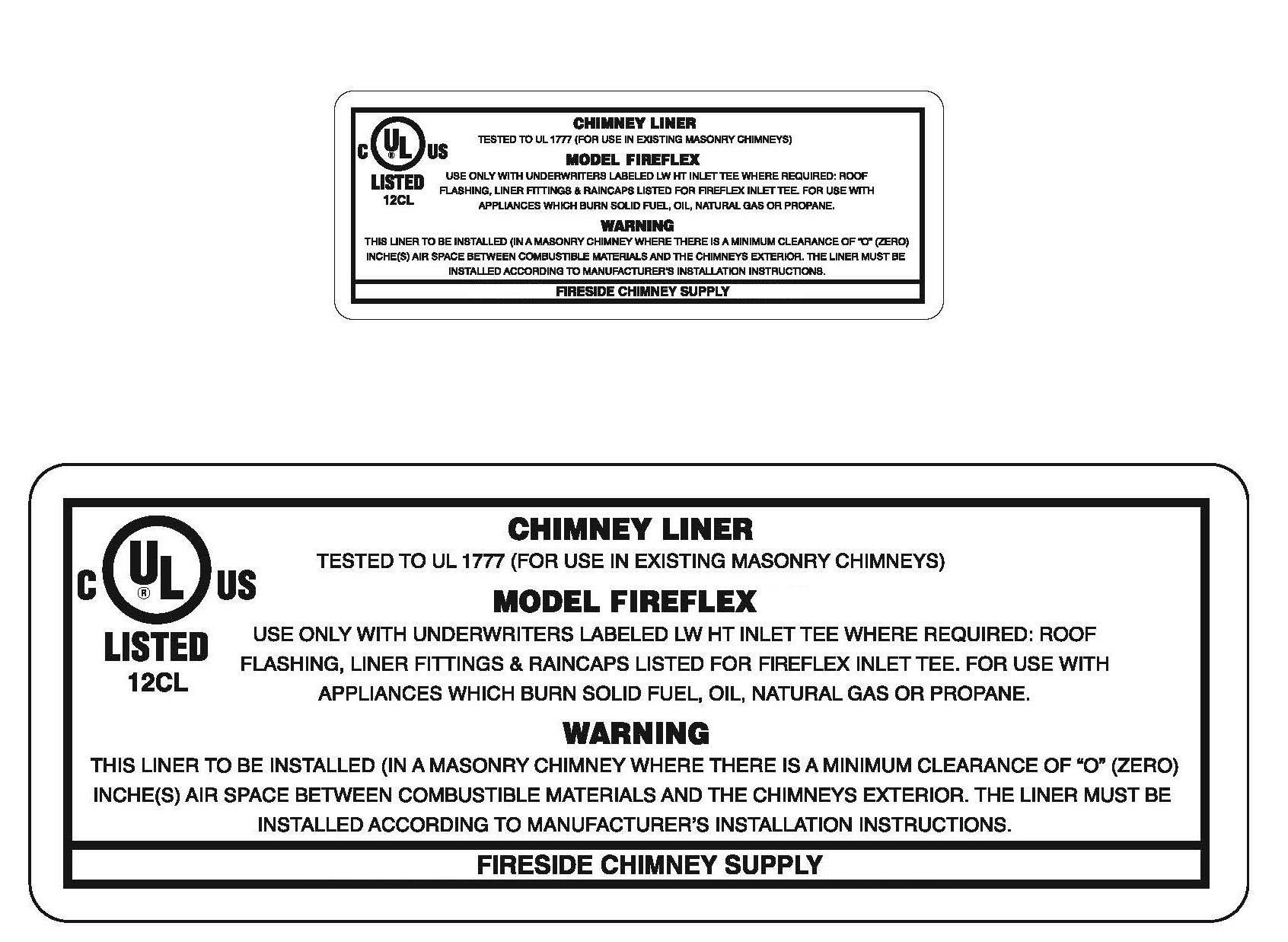
Others may claim their chimney liners are UL listed. We show you the proof.


Open Weekdays
Monday - Friday 9am - 5pm
Saturday Closed
Sunday Closed
1-877-486-8119